
One plant. Thousands of expressions.
Cannabis has been cultivated by humans for thousands of years. Today we understand it as a complex plant containing cannabinoids, terpenes, flavonoids, and other compounds that can influence how different products smell, taste, and feel.
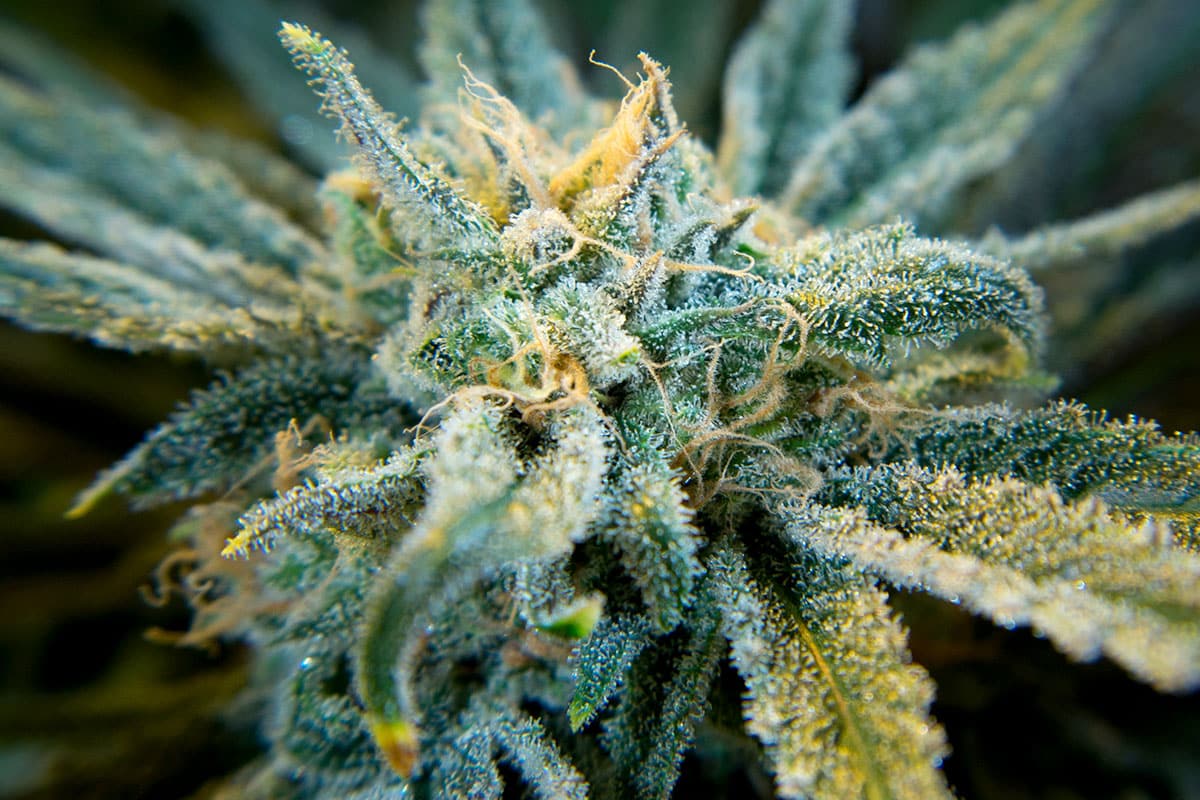
The experience is about more than just THC percentage.
Two products can contain similar amounts of THC and still feel noticeably different. Cannabinoid ratios, terpene profiles, dose, genetics, growing conditions, harvest timing, storage, and individual biology can all contribute.
That is why a strain name or THC number alone cannot perfectly predict an experience. Cannabis is better understood as a chemical profile — often called a chemovar — rather than simply “indica” or “sativa.”
A relationship thousands of years old.
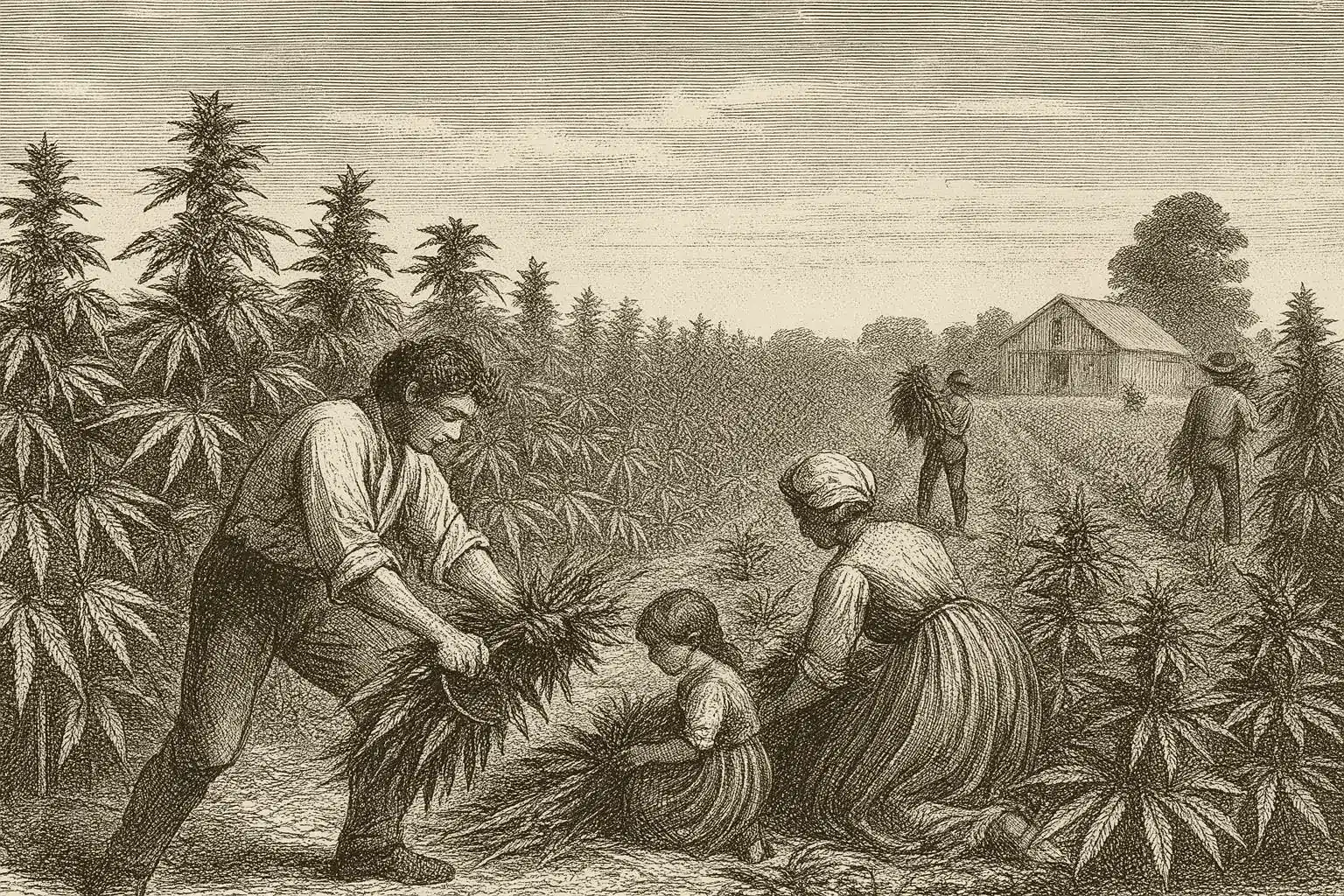
Cannabis has a long history as a fiber crop, food source, medicine, ritual plant, and intoxicant. Its exact domestication story is still studied, but archaeological and genetic evidence points strongly toward origins in Asia.
Early cultivation
Early societies used cannabis and hemp for fiber, seed, oil, and eventually medicinal or psychoactive purposes.
Cannabis enters medical traditions
Historical medical traditions in parts of Asia and the Middle East described preparations made from cannabis for a variety of symptoms and uses.
Movement across continents
Trade, migration, agriculture, and colonial expansion helped move cannabis varieties throughout Europe, Africa, the Americas, and beyond.
Prohibition changes the plant
Criminalization altered cultivation and research while underground breeders continued selecting plants for potency, aroma, yield, and distinctive traits.
Genetics meet laboratory science
Legal markets and modern testing now allow cultivators and researchers to examine cannabinoid levels, terpene profiles, genetics, and product consistency in much greater detail.
Your body already has a cannabinoid system.
The endocannabinoid system is a signaling network found throughout the body. It includes cannabinoid receptors, naturally produced signaling molecules called endocannabinoids, and enzymes that create and break those molecules down.
Highly expressed in the nervous system and involved in processes including perception, memory, appetite, coordination, and pain signaling.
Found throughout immune-related tissues and other areas of the body and studied for roles in immune signaling and inflammation.
Molecules made naturally by the body, including anandamide and 2-AG, help regulate communication between cells.
Compounds such as THC and CBD can interact with this signaling system directly or indirectly, producing different physiological and psychological effects.
THC and CBD are only the beginning.
Cannabis produces dozens of cannabinoids. Their concentrations vary between genetics, batches, cultivation methods, and product types.
Tetrahydrocannabinol
The primary intoxicating cannabinoid in most modern cannabis. THC activates CB1 receptors and can affect mood, perception, appetite, memory, coordination, pain perception, and sensory experience.
Cannabidiol
CBD is not intoxicating in the same way THC is. Its pharmacology is complex, and it may influence multiple signaling systems rather than strongly activating CB1 receptors.
Cannabigerol
A minor cannabinoid found at lower levels in many cultivars. CBG is an active area of research, but human clinical evidence remains much more limited than for THC or CBD.
Cannabichromene
Another naturally occurring minor cannabinoid being studied for several biological effects. Its real-world contribution to cannabis experiences is still being clarified.
Tetrahydrocannabivarin
Structurally related to THC but pharmacologically distinct. Its effects can depend heavily on dose, and research in humans is still limited.
The label doesn't tell the whole story.
“Indica,” “sativa,” and “hybrid” are deeply embedded in cannabis culture, but they are unreliable shortcuts for predicting effects. Modern cultivars have been extensively crossbred, and products with the same label can have very different chemical profiles.
Cannabinoid ratios and terpene profiles are generally more informative than simply asking whether something is indica or sativa.
The same named strain from two growers may differ because of genetics, phenotype selection, environment, harvest conditions, and storage.
Dose, tolerance, prior experience, metabolism, expectations, environment, and individual biology can all change the experience.
Aroma is chemistry.
Terpenes are volatile aromatic compounds produced by cannabis and many other plants. They create much of the plant's citrus, pine, floral, spicy, herbal, fruity, and fuel-like character. Researchers are also studying whether some terpenes modify physiological or subjective effects.
Myrcene is one of the most commonly detected terpenes in cannabis. It also occurs in plants including hops, mango, and lemongrass.
It is often associated in cannabis culture with heavier or more relaxing profiles, but terpene content alone cannot reliably predict how a product will feel.
Why two strains can feel completely different.
What you experience is the result of several variables acting together — not a single compound or label.
Dose can dramatically change an experience. More THC does not automatically mean better, and higher doses can increase anxiety, sedation, dizziness, or impairment.
Products containing CBD or other cannabinoids alongside THC may feel different from high-THC products with little else present.
Terpenes strongly influence aroma and flavor and may contribute to how a cultivar is perceived, though the magnitude of their effect on intoxication remains actively researched.
Individual plants from related genetics can express different cannabinoid concentrations, aromas, structure, and other traits.
Light, nutrients, environment, harvest timing, drying, curing, and storage can all affect the final chemical and sensory profile.
Tolerance, metabolism, genetics, medications, food intake, sleep, mood, and previous cannabis experience can all influence the response.
Inhaled cannabis typically has a faster onset than oral cannabis. Edibles are metabolized differently and can produce a longer, sometimes more intense experience at an equivalent THC amount.
More than the sum of its parts?
The “entourage effect” is the idea that cannabinoids, terpenes, and other cannabis compounds may influence one another and create effects different from any isolated compound by itself.
There are plausible biological mechanisms and some evidence for interactions between cannabis compounds, but the broad consumer version of the entourage effect is often stated with more certainty than current science supports.
In practical terms: whole-plant chemistry matters, but we still cannot look at a terpene chart and precisely predict how a strain will make every person feel.
Stop shopping by THC percentage alone.
Potency matters, but it is only one variable. A more useful way to understand cannabis is to look at cannabinoid ratios, terpene profile, product format, dose, cultivation quality, and your own previous experiences. Even then, effects can vary.